
🌿 Ponmudi: More Than a Tourist Destination, A Natural Heritage to Protect
Why the future of Ponmudi depends on balancing tourism, conservation and the well-being of local communities
Why the future of Ponmudi depends on balancing tourism, conservation and the well-being of local communities
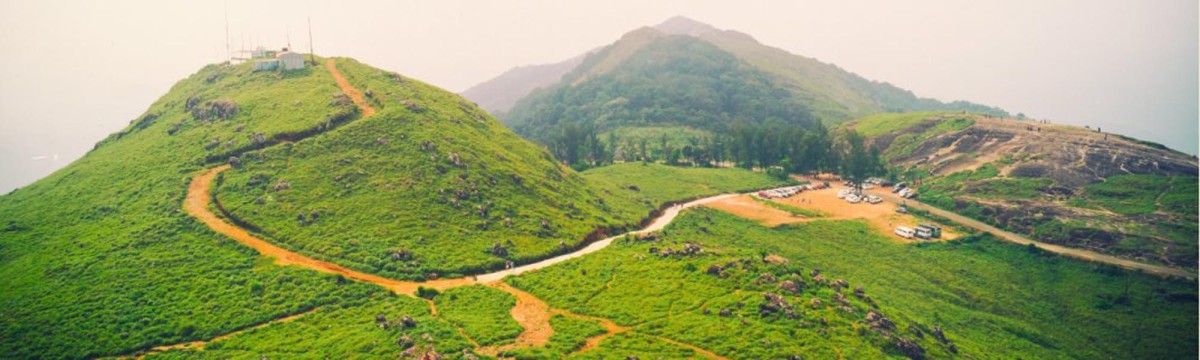
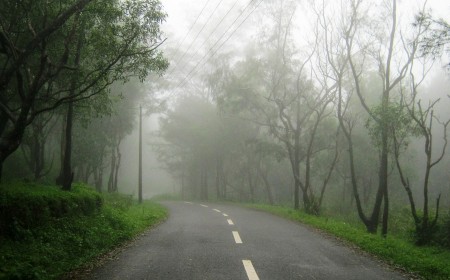
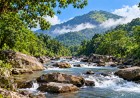
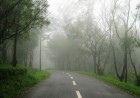
Nestled in the Western Ghats of Thiruvananthapuram district, Ponmudi is one of Kerala’s best-known hill destinations. Its winding mountain roads, mist-covered hills, forests, streams, cool climate and rich natural surroundings attract visitors throughout the year.
But Ponmudi is much more than a scenic destination.
Behind its tourism appeal lies a sensitive mountain ecosystem that supports forests, water sources, wildlife habitats and rich biodiversity. Its natural landscape is not merely the backdrop to tourism — it is the foundation on which tourism itself depends.
🌳 Nature is Ponmudi’s Greatest Asset
The hills, forests, grasslands, streams and surrounding habitats of Ponmudi form an interconnected natural ecosystem.
These landscapes play an important role in maintaining ecological balance, supporting biodiversity, regulating water flow and sustaining the natural environment of the wider region.
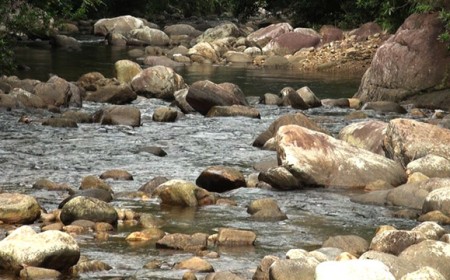
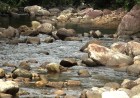
Birds, butterflies, insects, plants and other wildlife are all part of this ecosystem. Even the small streams flowing through the hills contribute to the larger network of water resources that supports communities and ecosystems downstream.
For this reason, development in Ponmudi cannot be measured only by the number of roads, buildings, hotels or tourist facilities created.
The real measure of development should also be how successfully the natural environment is protected.
🧳 Growing Tourism Means Greater Responsibility
Tourism has significant potential to contribute to the local economy.
Homestays, hotels, resorts, restaurants, transport services, local shops, guides and other tourism-related activities can create employment and income opportunities for people living in and around the region.
However, increasing tourist activity also brings environmental pressures.
Plastic waste, food waste, traffic congestion, uncontrolled parking, noise pollution, pressure on water resources and unregulated access to sensitive natural areas can gradually affect the very environment that attracts visitors.
Tourism growth is welcome. But tourism that comes at the cost of nature cannot be considered sustainable development.
♻️ Waste Management Must Be a Priority
One of the most important challenges associated with growing tourism is effective waste management.
Single-use plastics should be minimised, proper waste collection systems should be available at important visitor locations, and waste should be segregated and handled responsibly.
Tourism establishments also have an important role to play by adopting responsible waste-management practices.
A simple principle can make a significant difference:
“What you bring into nature, take back with you.”
Visitors, businesses and authorities all have a role in keeping Ponmudi clean.
💧 Protecting Water Sources
The streams and natural water channels flowing through the mountain landscape are an important part of the region’s ecological system.
Tourism-related activities should therefore be planned carefully around water sources.
Pollution of streams, dumping of waste, obstruction of natural water flow and unsuitable construction near sensitive water bodies can have consequences far beyond the immediate location.
Protecting these water sources is not only an environmental responsibility — it is an investment in the long-term future of the region.
🐾 Wildlife Needs Space Too
The wildlife and birdlife of Ponmudi are an important part of its natural heritage.
Visitors may want to photograph or observe wildlife, but tourism should never interfere with the natural behaviour of animals.
Responsible visitors should:
- Avoid feeding wild animals
- Maintain a safe distance from wildlife
- Avoid unnecessary noise
- Drive carefully through forest areas
- Follow forest and tourism regulations
- Avoid disturbing breeding or nesting areas
The objective should not simply be to see wildlife, but to ensure that wildlife continues to have a safe habitat.
🥾 Responsible Trekking and Nature Experiences
Ponmudi has considerable potential for nature-based tourism, trekking and environmental education.
But access to sensitive natural areas needs to be carefully managed.
Clearly marked trails, trained local guides, visitor information, emergency support and appropriate safety measures can help visitors experience nature without causing unnecessary damage.
Instead of opening every natural area to unrestricted tourism, controlled access to environmentally suitable locations can provide a better experience for visitors while protecting fragile habitats.
👨👩👧👦 Local Communities Must Be Part of the Development
The future of Ponmudi cannot be planned without the participation of the people who live in the region.
Tourism should create meaningful opportunities for local communities through:
- 🏡 Homestays
- 🍲 Local food and traditional cuisine
- 🧭 Local guide services
- 🧺 Local products and handicrafts
- 🌱 Farm and nature-based experiences
- 🚐 Local transport services
- 💼 Small tourism enterprises
When local communities benefit directly from responsible tourism, they also become important partners in protecting the natural environment.
Conservation and local economic development should not be treated as competing goals. They can and should move together.
🙋♂️ Visitors Are Part of the Solution
Protecting Ponmudi is not the responsibility of government departments or tourism operators alone.
Every visitor has a role to play.
Visitors can help by:
- ♻️ Reducing plastic use
- 🗑️ Taking their waste back or using designated waste facilities
- 💧 Keeping streams and water sources clean
- 🌳 Avoiding damage to vegetation
- 🐾 Respecting wildlife
- 🔇 Keeping noise levels low
- 🚗 Driving responsibly
- 🚧 Following restrictions and safety instructions
Small responsible actions by thousands of visitors can make a significant difference.
🏔️ Development Must Respect Nature’s Limits
As discussions about the future development of Ponmudi continue, one question should not be overlooked:
How much tourism can the natural environment sustainably support?
The question is not simply about how many more visitors can be brought to Ponmudi.
It is also about whether the region has the infrastructure, waste-management systems, water resources, roads, safety arrangements and ecological capacity to accommodate that growth responsibly.
A comprehensive Responsible Tourism Framework can help address these concerns through visitor management, environmental monitoring, waste reduction, water conservation, wildlife protection, safe nature activities and stronger community participation.
🌏 Protecting Ponmudi for Future Generations
The Ponmudi experienced by visitors today — its green hills, cool climate, forests, streams, mist and biodiversity — should remain available for future generations as well.
That requires a shift in how we look at tourism.
Ponmudi should not be treated simply as a place to visit, photograph and leave.
It is a natural heritage that deserves to be understood, respected and protected.
The real opportunity lies in creating a model where tourism contributes to local livelihoods while conservation remains at the heart of development.
🌿 Protect the habitat.
🧭 Travel responsibly.
💚 Keep Ponmudi alive for generations to come.
Kallar–Ponmudi Eco & Tourism Council (KPETC)
Protecting Habitat • Promoting Responsible Tourism
What's Your Reaction?
 Like
0
 Dislike
0
 Love
0
 Funny
0
 Wow
0
 Sad
0
 Angry
0

Aneesh Kumari Entrepreneur • Consultant • Content Creator • Environmental Initiator
Comments (0)